Field notes before Georgia

Shakedown hikes.

The pack list is theory until it rains, the route changes and dinner comes out of a titanium pot. These are the trips where the 2027 thru-hike gets tested in public.

Read the latest field report
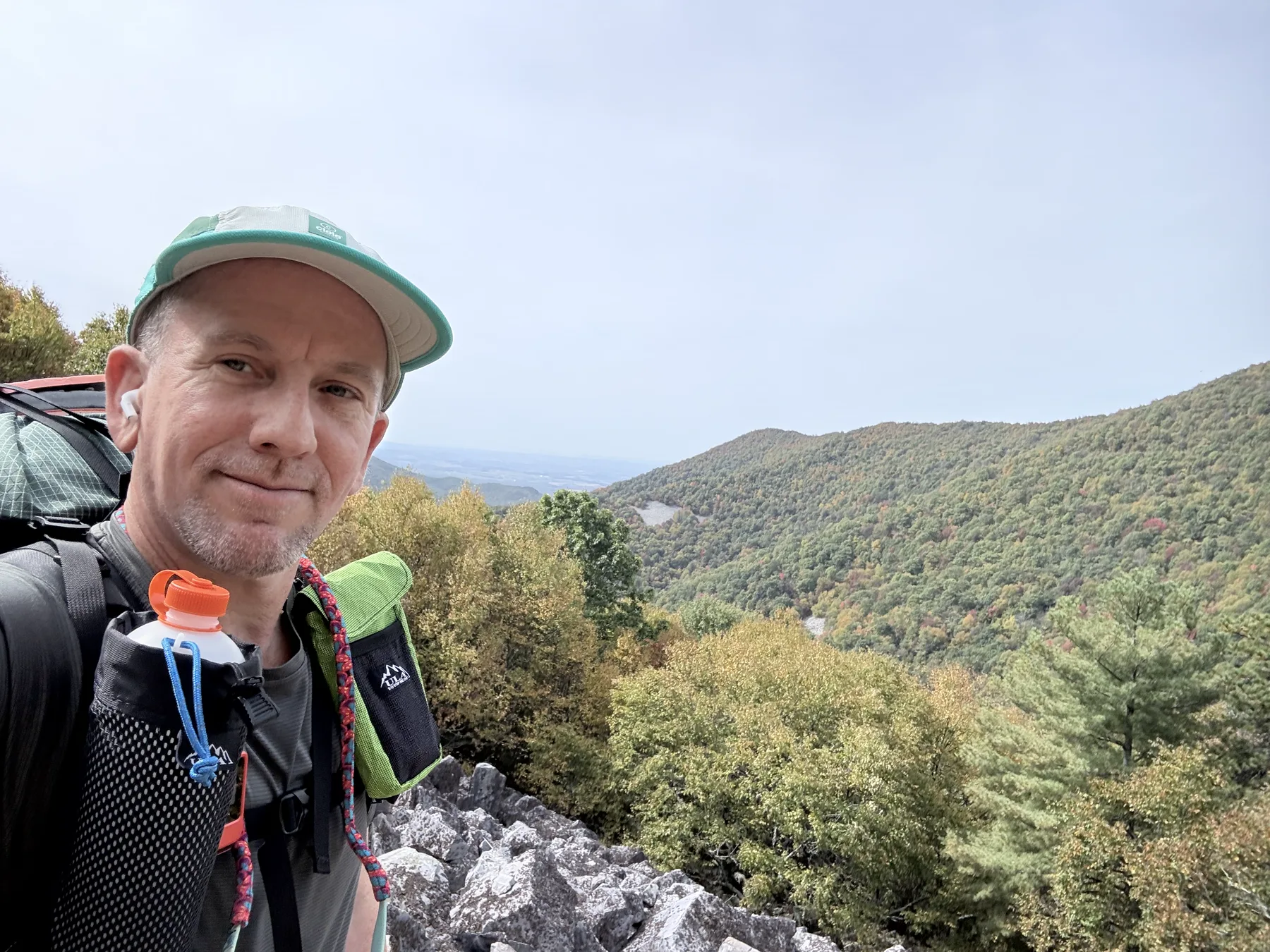
Alex backpacking above the Shenandoah Valley
Oct 9–112026
36.17recorded miles
16:45hiking time
3 days2 nights
ShenandoahVirginia
Shakedown 01 · Southern Shenandoah

The route changed. The test got better.

The plan was a roughly 40-mile loop from Jones Run. The actual hike became a Day 1 navigation detour followed by an Appalachian Trail out-and-back: south to Blackrock Shelter, north past the car and Loft Mountain to Pinefield Gap Shelter, then south to Jones Run in steady rain.

That made it a better test than the tidy itinerary. The body handled consecutive mileage well. The pack, food volume, wet-weather layers and camp routine all produced specific changes for the next trip.

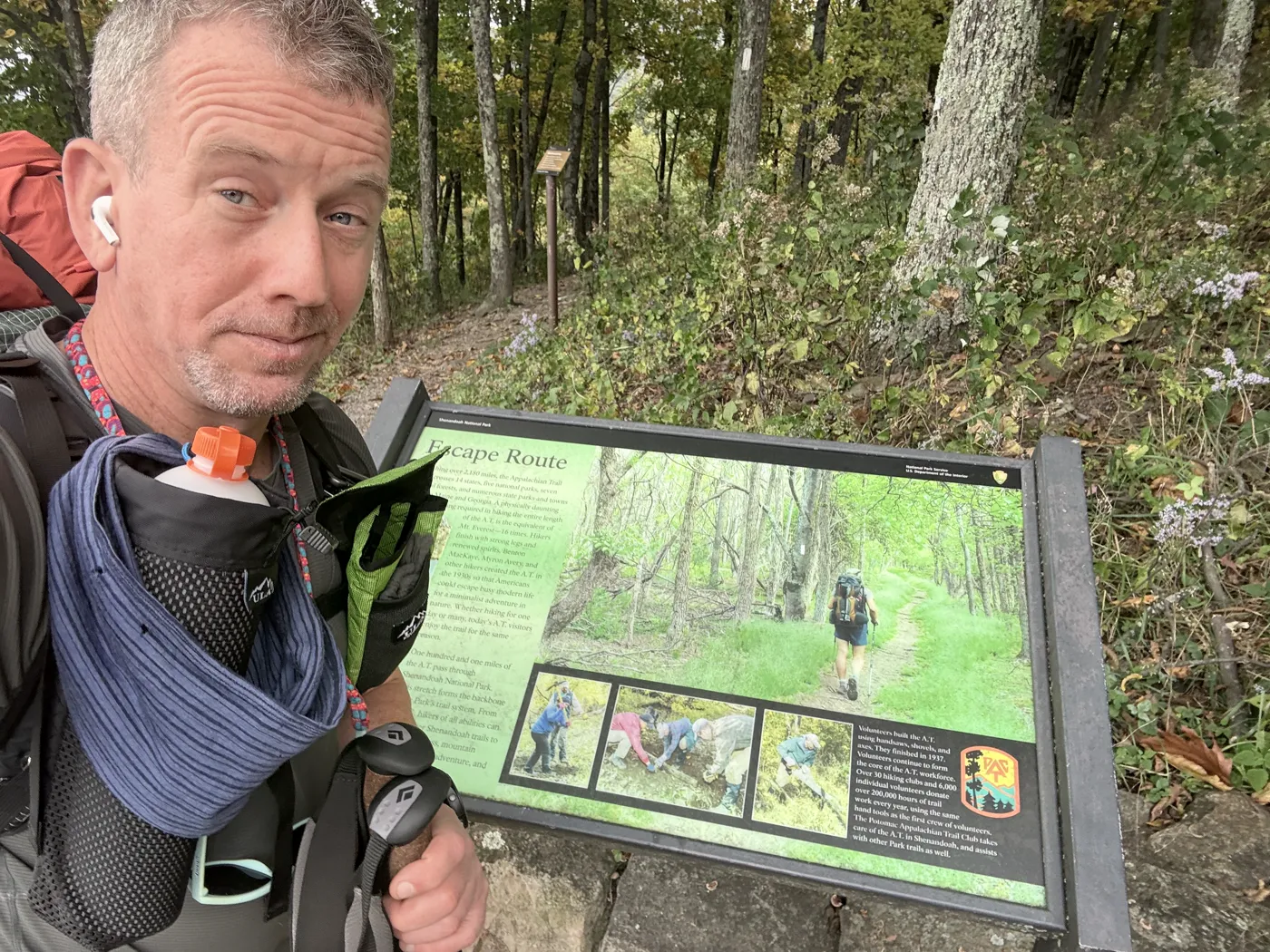
Alex beside an Appalachian Trail interpretive sign in Shenandoah National Park
Back on the AT after the Day 1 detour.
What actually happened

Three days, not the planned loop.

Distances use the watch-recorded activities. Day 3 uses the 11.57-mile watch result; a later feed import incorrectly displayed 18.98 miles.

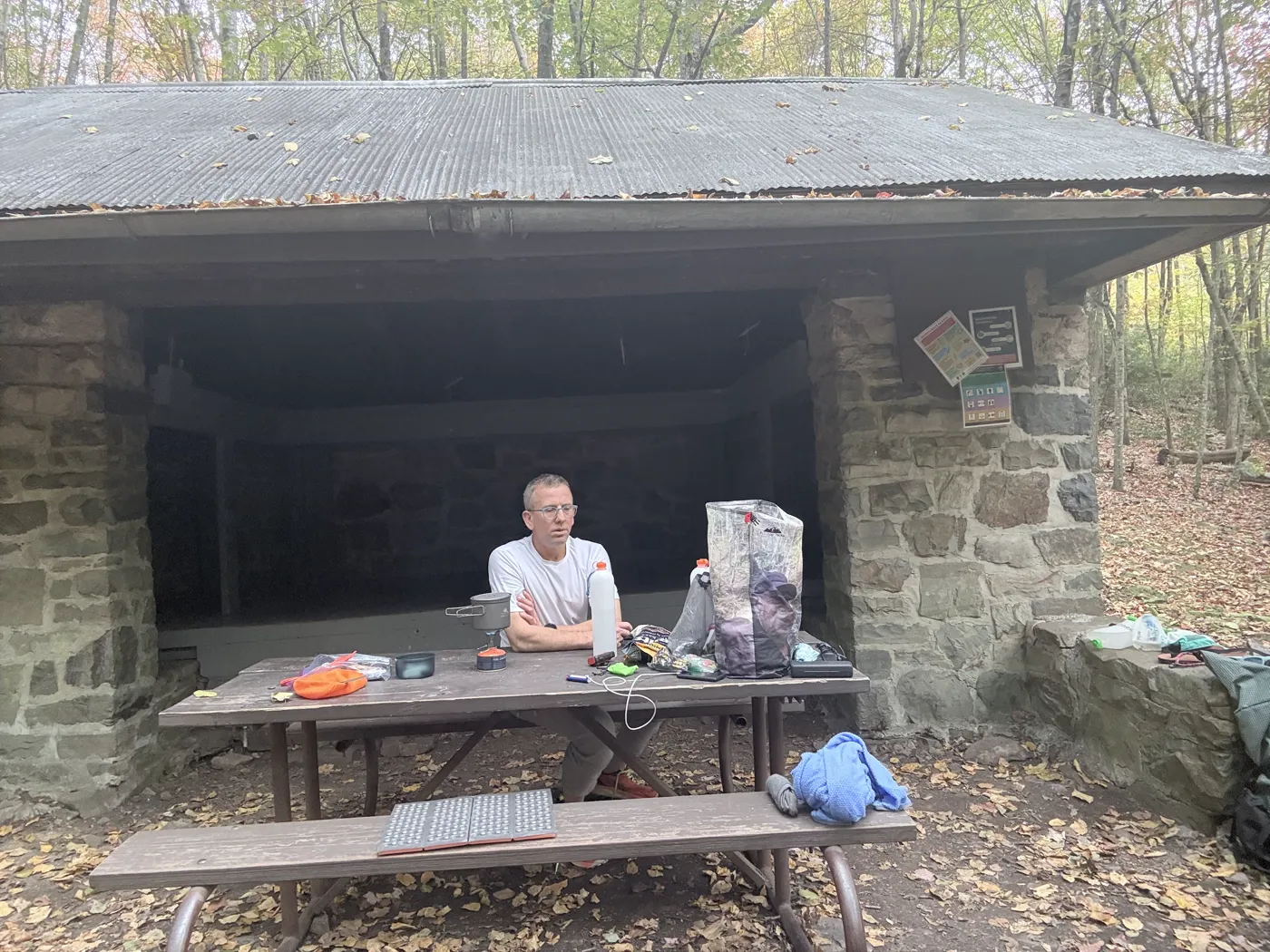
Alex organizing gear at Blackrock Shelter

Day 1 · Jones Run to Blackrock

10.68 miles
October 9 · 4:51

Started south on the AT, took what I thought was the Paine Run route, looped back to the AT south of the car, then continued to Blackrock Shelter. The wrong turn added uncertainty and useful miles. Dinner was broccoli-and-cheese rice with salmon—and it earned a place in the rotation.

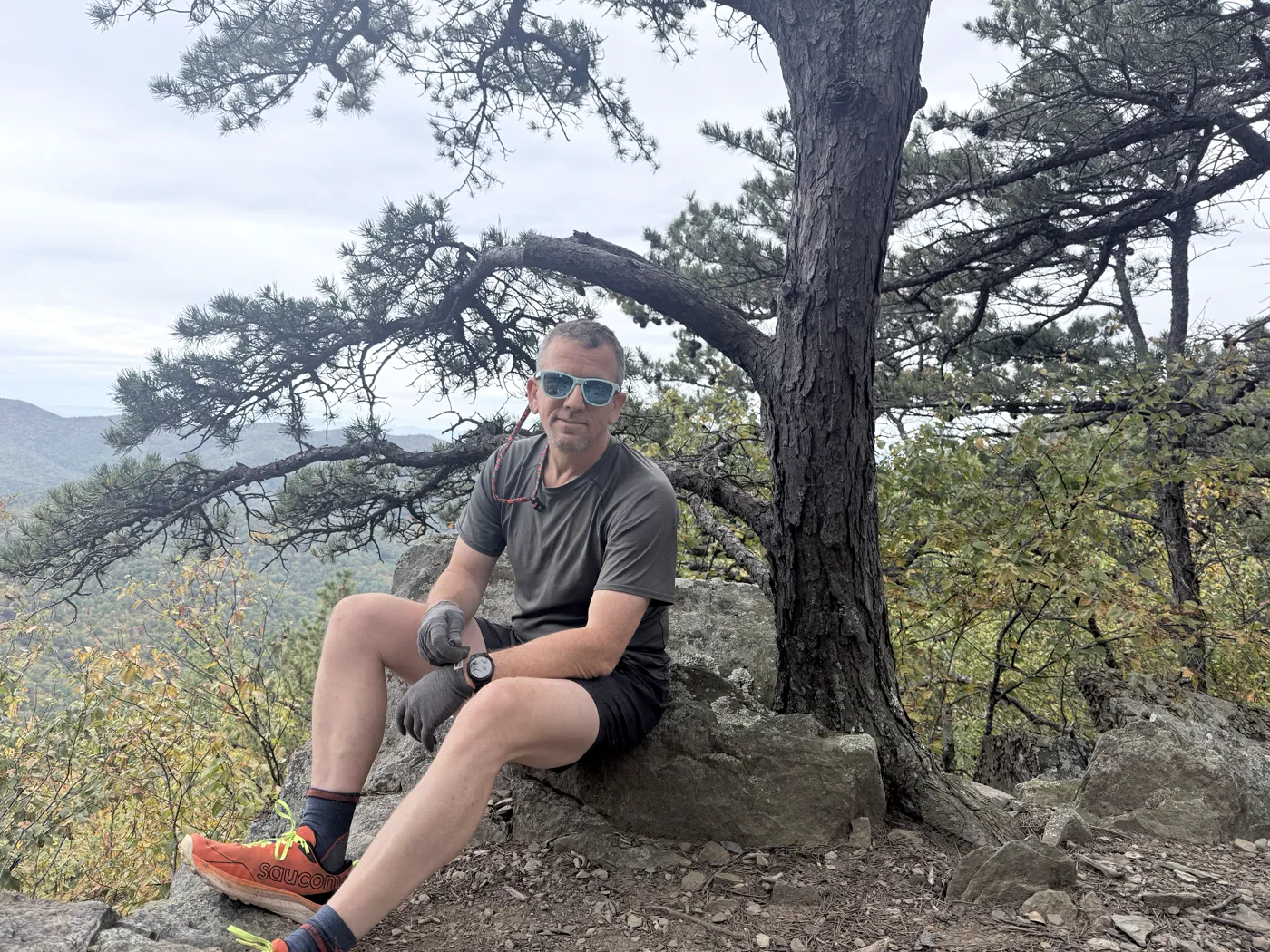
Alex resting at a mountain overlook during the second day

Day 2 · Blackrock to Pinefield Gap

13.92 miles
October 10 · 6:44

Turned north on the AT, passed the Jones Run parking area and Loft Mountain Campground, and continued to Pinefield Gap Shelter. This was the longest day and still felt controlled. Stuffing made a simple, satisfying dinner.

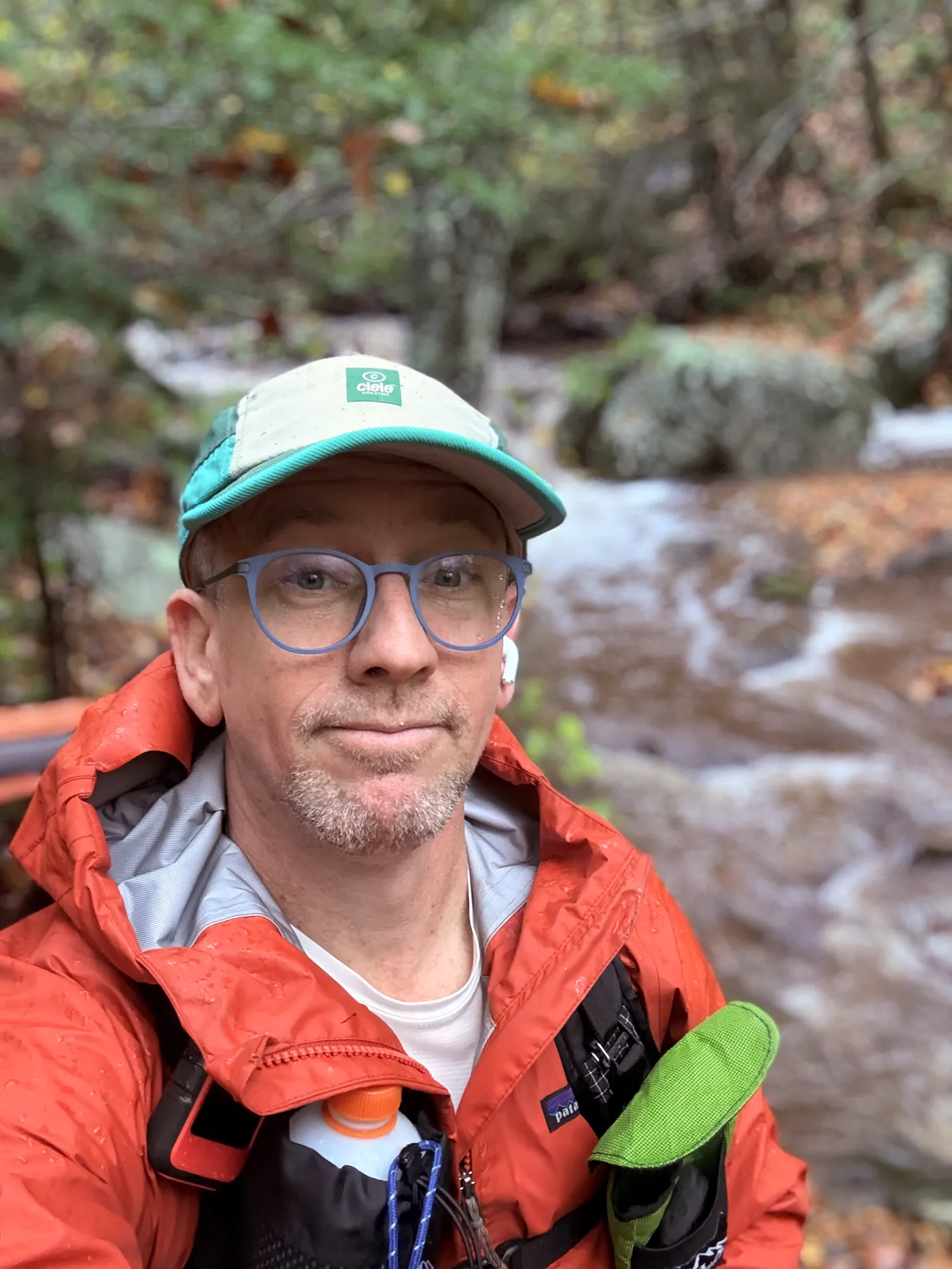
Alex in a rain shell beside a rushing creek

Day 3 · Pinefield Gap to Jones Run

11.57 miles
October 11 · 5:09 · 3,002 feet climbing

Hiked south on the AT to the car in all-day rain. Shorts and a Capilene long-sleeve under the Torrentshell worked for roughly four hours; when the chill arrived, the dry Alpha layer underneath made the difference.

What the trail taught me

Keep, change, remember.

01

Navigation deserves a pause.

Confirm every junction before committing, even when the turn feels obvious. The accidental Day 1 loop was manageable here; on a longer or colder section, the same mistake costs more.

02

Protect the dry layer.

The Alpha layer and joggers stayed dry until needed. That reserve turned a slow slide toward cold into a quick, comfortable adjustment.

03

Hands need a real rain system.

Thin gloves were not enough once wet. Waterproof overmitts and a warmer glove option move from “maybe” to required for the March start.

04

Food can shrink—for now.

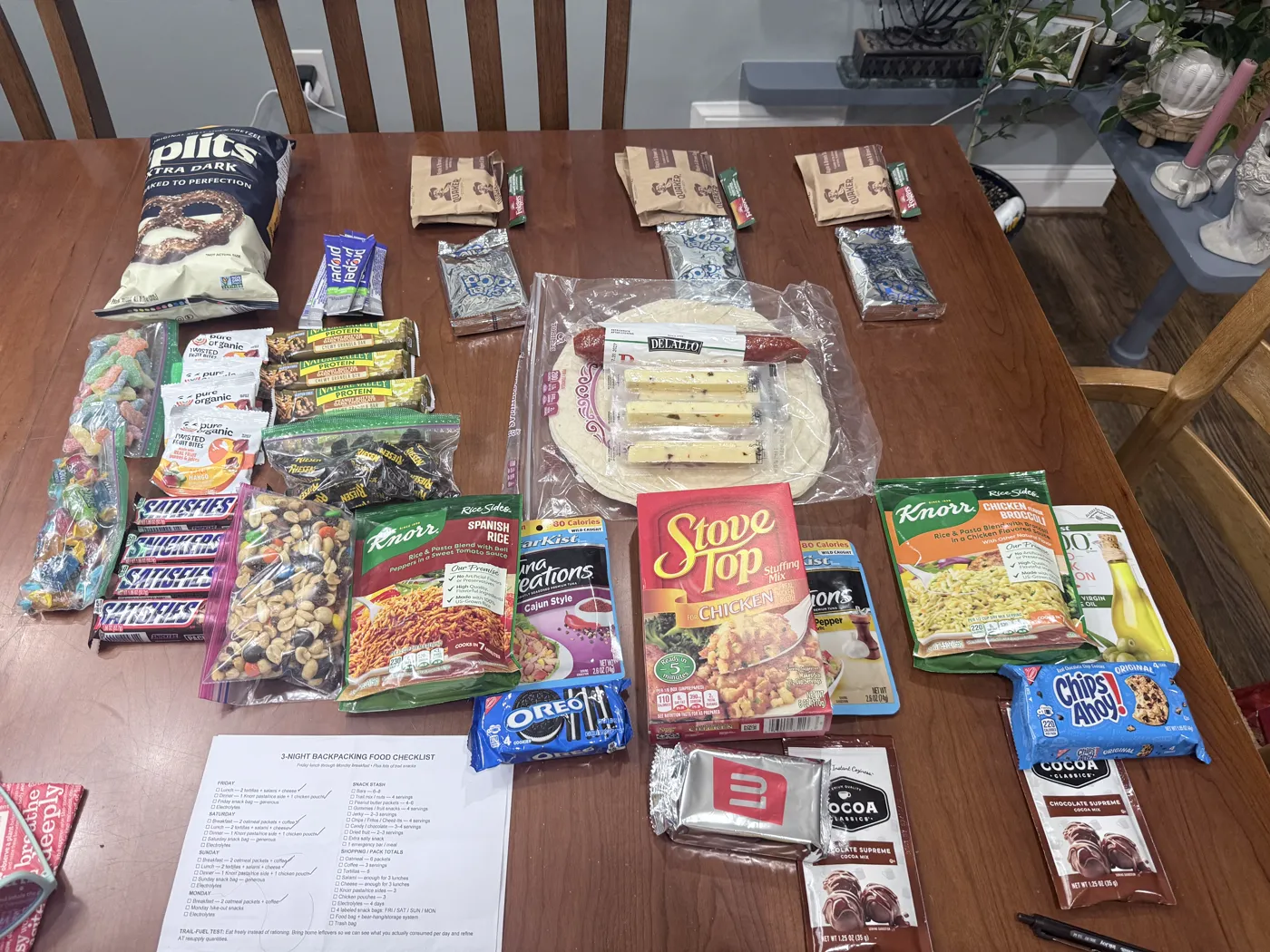
The daily snacks were about right: Pop-Tarts, two bars, two fruit snacks, and hard candies or Sour Patch Kids. I packed too many tortillas for lunch and too much dinner for a three-day trip. That is useful now, but not a thru-hike formula—appetite usually ramps up three to four weeks into the AT.

05

Close camp for the weather.

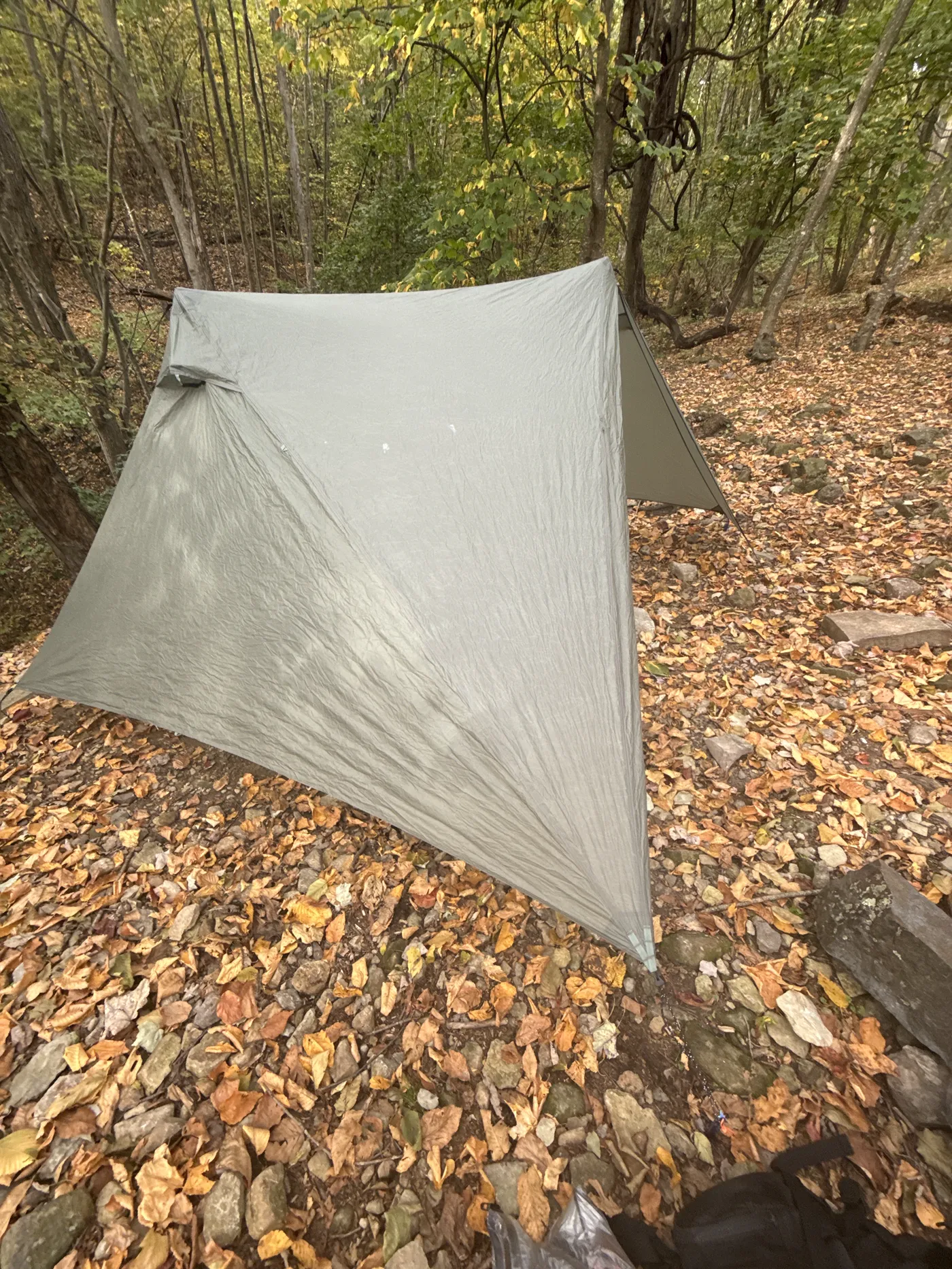
Double-check every stake and fully close both vestibules unless there is truly no chance of rain. A tent packed wet is manageable; avoidable water inside is not.

06

The training is working.

Three consecutive days and 36 miles felt good most of the time. Fitness was not the limiting system on this trip; staying warm, dry and efficient deserves the next round of attention.
The X-Mid tent pitched among autumn leaves
Wet-weather verdict

Dry enough—but not finished.

The shelter and sleep system did their jobs, but the trip exposed the weak links around them.

  • Add: rain pants for cold, sustained rain.
  • Add: waterproof shell mitts and warmer gloves.
  • Change: use a pack liner and dedicated waterproof protection for the quilt; the ULA Circuit itself is not waterproof.
  • Keep: the Alpha layer dry until warmth is actually needed.
  • Routine: stake check, vestibule check, then sleep.
The food carried for the three-day shakedown hike
Food test

Less bulk. Same energy.

The snack pattern was about right. I packed too many tortillas for lunch and too much dinner for only three days. Early-trip appetite is not peak thru-hiker appetite, so the food plan will need to grow once hunger ramps up three to four weeks into the AT.

KeepPop-Tarts, two bars, two fruit snacks, and hard candies or Sour Patch Kids
Reduce nowLunch tortillas and dinner quantity on short trips
ReassessIncrease the overall food load after weeks three to four on the AT
Backpacking equipment spread out at Blackrock Shelter
Core gear tested

The working system.

PackULA Circuit
ShelterDurston X-Mid 2P
SleepEE 10°F quilt + NEMO Tensor Extreme Conditions pad
KitchenTOAKS 900 mL pot + BRS stove
LayersCapilene, Torrentshell, Alpha hoodie and Alpha joggers
SafetyGarmin inReach Mini 2
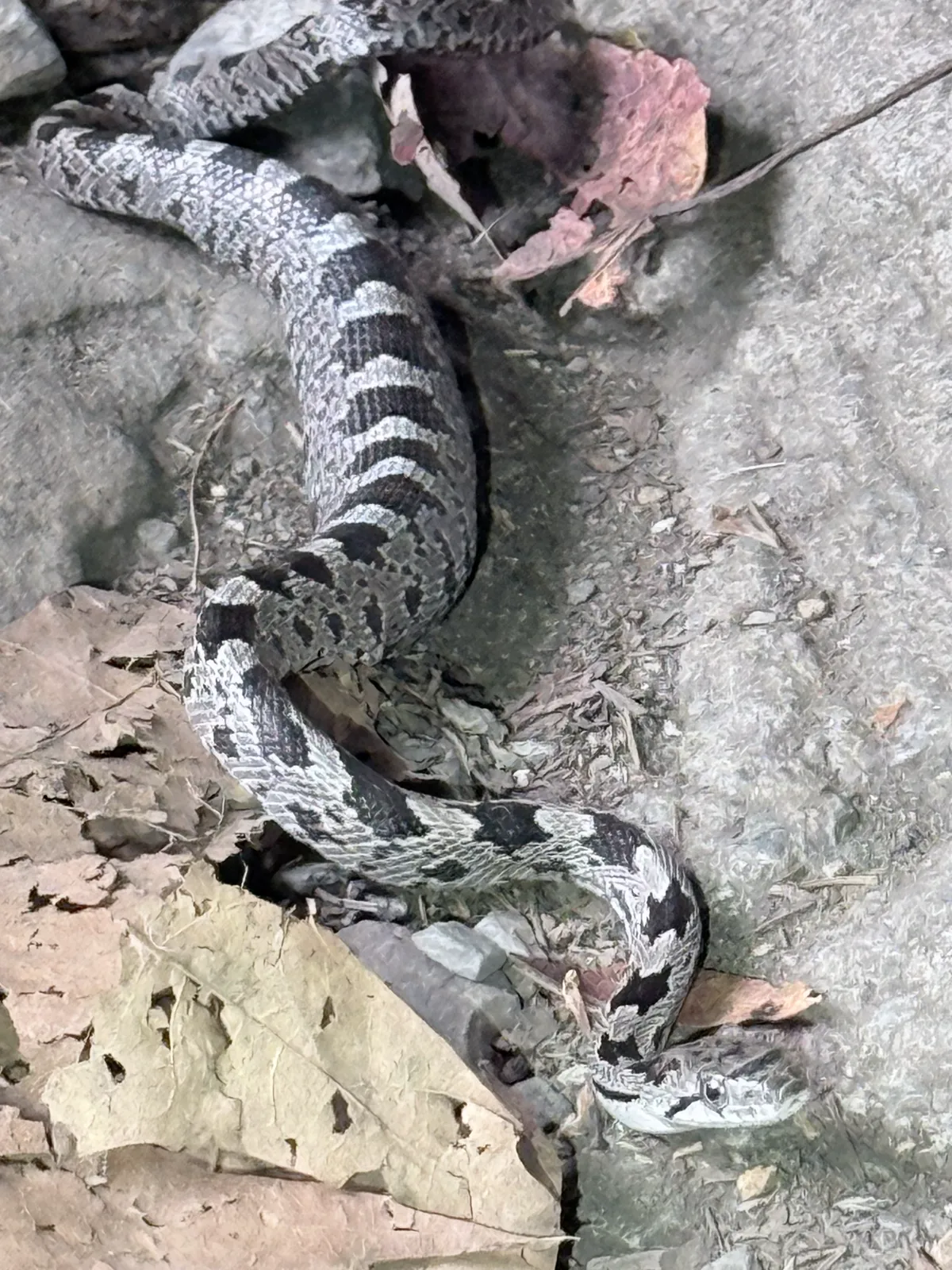
A juvenile central ratsnake beside the trail
Trail encounter

A juvenile central ratsnake had notes too.

The southern Shenandoah trip delivered autumn ridges, shelters, rain, a navigational surprise—and a harmless young ratsnake whose bold pattern demanded a closer look.

Next shakedown: test the fixes.

Rain pants, waterproof overmitts, pack liner, quilt dry bag, a smaller food load and a tighter junction-check routine. The goal is not a perfect trip; it is fewer repeat mistakes.

See the working gear list